40x60 Metal Building Site Prep Checklist: What to Handle Before Installation


40x60 metal buildings give you about 2,400 square feet of space, and they’re commonly used for garages, farm storage, RV or boat parking, workshops, and small commercial setups. They’re useful, spacious, and ready to serve.
But before the delivery day arrives, the ground has to be ready for actual construction. That part gets overlooked more often than you’d think, and it tends to matter more than expected.
Key Highlights
- The site needs to be level, open, and firm enough for installation.
- Local permits and codes should be checked before anything is scheduled.
- Brush, debris, and physical barriers need to be fully cleared.
- Utilities (especially underground lines) should be marked early.
- Foundation type should be decided before final prep work starts.
Why Site Prep Matters for a 40x60 Metal Building
A 40x60 metal building isn’t something you “just drop” onto a piece of land. The footprint alone takes up a lot of space, and installers need room to work around it, not just on it. Access, movement, and layout all depend on the site being usable from the start.
When the ground isn’t prepared right, delays usually follow. Sometimes it’s uneven soil. Sometimes it’s blocked access. Sometimes it’s just small things that add up once equipment and materials arrive. Either way, it slows everything down.
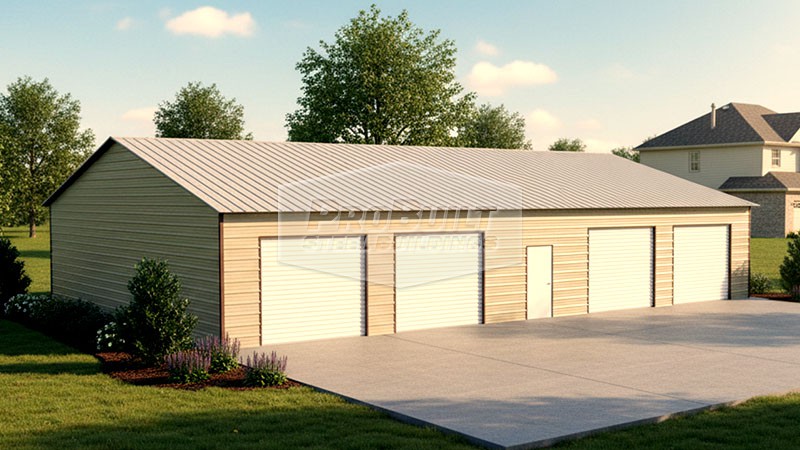
40x60 Metal Building Site Prep Checklist
| Step | What to Check | Writer Direction |
|---|---|---|
| Choose the location | Decide exactly where the structure will sit | Think about spacing, access, and practical use |
| Check permits and codes | Confirm with the local building authority | Requirements vary, so don’t assume anything |
| Clear the site | Remove anything in the build zone | Keep it fully open and workable |
| Level the ground | Surface should be stable and even | Installers need a ready base |
| Mark utilities | Identify underground and visible lines | ProBuilt recommends calling 811 before digging |
| Choose foundation type | Soil, concrete, asphalt, or other surface | Prep depends on what’s selected |
| Remove access barriers | Move anything blocking the entry or setup | Installers need clear working space |
| Check truck access | Confirm the delivery access route is open | Crews often need access within ~50 feet |
| Final walkthrough | Double-check everything before install day | Catch issues early, not last minute |
Also read: 40x60 Metal Building Layout Guide: What Fits Inside 2,400 Sq Ft?
Choose The Right Location First
Once the building is placed, you can’t really “shift it over a few feet” without consequences, so the starting point matters.
A good location has enough space for the full 40x60 footprint, but also breathing room around it. You’ll want to think about:
- Access
- Doors
- Drainage
- Nearby utilities
- Zoning rules
It’s worth slowing down here before anything else starts moving.
Check Permits and Local Codes
Before scheduling delivery or installation, it’s smart to confirm requirements with the local building department. Rules can shift depending on county, city, building size, and how the structure will be used.
ProBuilt typically recommends handling this early, mostly to avoid situations where everything is ready except approval. That’s one of the most common sources of delay, and it’s usually preventable.
Clear The Site Before Installation
The installation area needs to be open enough for crews and equipment to move without working around obstacles.
- Brush and overgrowth
- Loose debris and rocks
- Shrubs in the build zone
- Trees blocking access or layout
- Fencing that cuts into the footprint
- Old structures nearby
- Stored vehicles or materials
Even small clutter can slow down framing and layout once crews are on-site.
Level and Firm the Ground
The surface doesn’t need to be perfect in a technical sense, but it does need to be stable and usable. Soft spots, uneven grades, or loose soil tend to create problems once installation begins.
Different foundation types handle prep differently, but the general idea is the same: the site should be ready before materials show up, not after.
Decide The Foundation Type
| Foundation option | Direction |
|---|---|
| Soil foundation | Ground should be cleared, level, and firm |
| Concrete foundation | Confirm surface readiness before install |
| Asphalt foundation | Prep depends on the chosen surface |
| Other material | Must be confirmed before scheduling |
There isn’t a one-size-fits-all answer here. It depends on how the building will be used and what the property can support.
Also read: Permits and Foundation Requirements for Metal Buildings in Florida
Mark Utilities Before Installation
Before any digging or ground work begins, utilities should be clearly marked. That includes electrical lines, water pipes, and anything running underground.
ProBuilt's site prep guidance includes contacting 811 so underground utilities can be identified ahead of time. It’s a simple step, but it prevents avoidable issues during installation.
Make Sure Installers Can Access the Site
Access gets overlooked until the day of delivery, and that’s usually when it becomes a problem. Fencing, trees, tight driveways, or blocked entry points can all slow things down.
Installers also need space to park and work. In most cases, access within about 50 feet of the build site is expected. If equipment can’t reach that zone, adjustments may be needed on the spot.

Use the 3D Design Tool Before Final Site Decisions
Before final placement is locked in, the ProBuilt 3D designer can help visualize how everything will sit on the property.
It’s useful for working through details like:
- Building size
- Door placement
- Roof style
- Window layout
- Color choices
- Interior layout options
It’s easier to adjust design choices here than after site prep has already started.
Common Site Prep Mistakes to Avoid
- Waiting too long to check permits.
- Not clearing enough working space.
- Skipping utility marking.
- Choosing a location without thinking about access.
- Ignoring drainage direction.
- Underestimating how much room installers need.
Final Thoughts
A 40x60 steel building needs more planning than smaller structures simply because of its size and the space required for installation. The site has to be ready before delivery shows up, not during it.
That means checking permits, clearing and leveling the area, choosing a foundation, marking utilities, and making sure access is open. Once that’s handled, the rest of the project tends to move a lot smoother.
Why Choose Probuilt for a Custom 40x60 Steel Building
ProBuilt Steel Buildings offers American-made steel buildings that are fully customizable, including roof style, doors, height, colors, panels, and layout options. Our buildings use galvanized steel and can be configured for residential, agricultural, or commercial uses at any scale.
Delivery and installation are included, and financing options are available for qualified buyers. Florida-certified options are also available where required.
Want to know more? Call us at (877) 754-1818 for a price quote. Or visit us online to design a building on your own with our 3D Builder.
Frequently Asked Questions
What is the first step in site prep for a 40x60 metal building?
Choosing the exact location and confirming space and access.
Do I need to mark utilities before site work?
Yes, underground and visible utilities should be marked before any digging or prep.
Why use a 3D design tool before site prep?
[3D design tool](https://probuiltsteel.sensei3d.com/ "3D design tool") helps lock in layout decisions so the site is prepared correctly the first time.
How much access space do installers need?
Typically, crews need access within about 50 feet of the installation area.
Does the ground need to be level before installation?
Yes, it should be level and firm enough to support installation work.
Can I delay choosing a foundation type?
It’s better to decide early so site prep matches the chosen surface.


Kevin Gray
President - Probuilt Steel Buildings
Kevin Gray, originally from Live Oak, FL, grew up on a farm where he learned the value of hard work and integrity. After a career in banking, he turned to the steel industry to serve hardworking individuals like those he grew up with. Today, he simplifies the buying process while leading a team that prioritizes honesty, value, and exceptional customer service.


Still Have Questions About Your Metal Building?
Connect With Our Building Specialists Today!